How Small Rituals Help You Respond Instead of React
Parenting advice loves one phrase:
“Just stay calm.”
I’ve told myself that more times than I can count — usually in the middle of noise, chaos, and the feeling that I’m about to snap.
However, here’s what I’ve learned over time:
You don’t need to be calm.
You need to be regulated.
There’s a difference. And understanding that difference changes everything.
Because calm isn’t something you force. It’s a nervous system state. When your body is overstimulated, exhausted, or emotionally flooded, “just stay calm” isn’t helpful advice.
It feels impossible.
Regulation, on the other hand, is something you can practice — even in imperfect moments.
The Problem With “Just Stay Calm”
When your child is screaming.
When dinner is burning.
When someone just dumped water all over the floor.
In those moments, staying calm can feel out of reach.
That’s because calm isn’t a decision. It’s a biological state.
If your nervous system is already overloaded, your brain shifts into protection mode. Your heart rate increases. Your muscles tense. Your thinking brain goes offline.
In other words, your body reacts before your logic does.
That’s not a parenting failure.
It’s biology.
Calm vs. Regulated: What’s the Difference?
Calm looks peaceful on the outside.
Regulated means your nervous system feels steady enough on the inside.
You can be:
- Not smiling
- Not whispering
- Not completely unbothered
…and still be regulated.
Regulation simply means:
- You can pause before reacting
- You can access your thinking brain
- You can choose your response
That’s what your child needs.
Not perfection.
Not constant softness.
Steadiness.
Why This Is So Hard for Parents
Most of us were never taught regulation.
Instead, we were taught to suppress emotions. To be “good.” To keep it together.
So when our children express big emotions freely, it can activate something old inside of us.
Your child’s meltdown might trigger:
- Your fear of losing control
- Your childhood conditioning
- Sensory overload
- Pure exhaustion
As a result, the reaction feels bigger than the situation.
Because it usually is.
When I Feel Myself About to React
There are moments when the noise feels sharp, the questions won’t stop, and I can sense the reaction building before I even speak.
That’s my cue.
Before I lose my cool, I notice the physical signs. My jaw tightens. My shoulders lift. My thoughts speed up. My voice wants to come out sharper than I intend.
At that point, I know this isn’t really about behavior anymore.
It’s about my nervous system.
Instead of pushing through it, I try to pause. Sometimes that pause is only a breath. Other times, I need to physically step away.
Either way, awareness gives me a choice.
The Ritual That Helps Me Reset
Over time, I’ve realized that regulation, for me, often looks like ritual.
Fresh air. Repetition. A few quiet minutes.
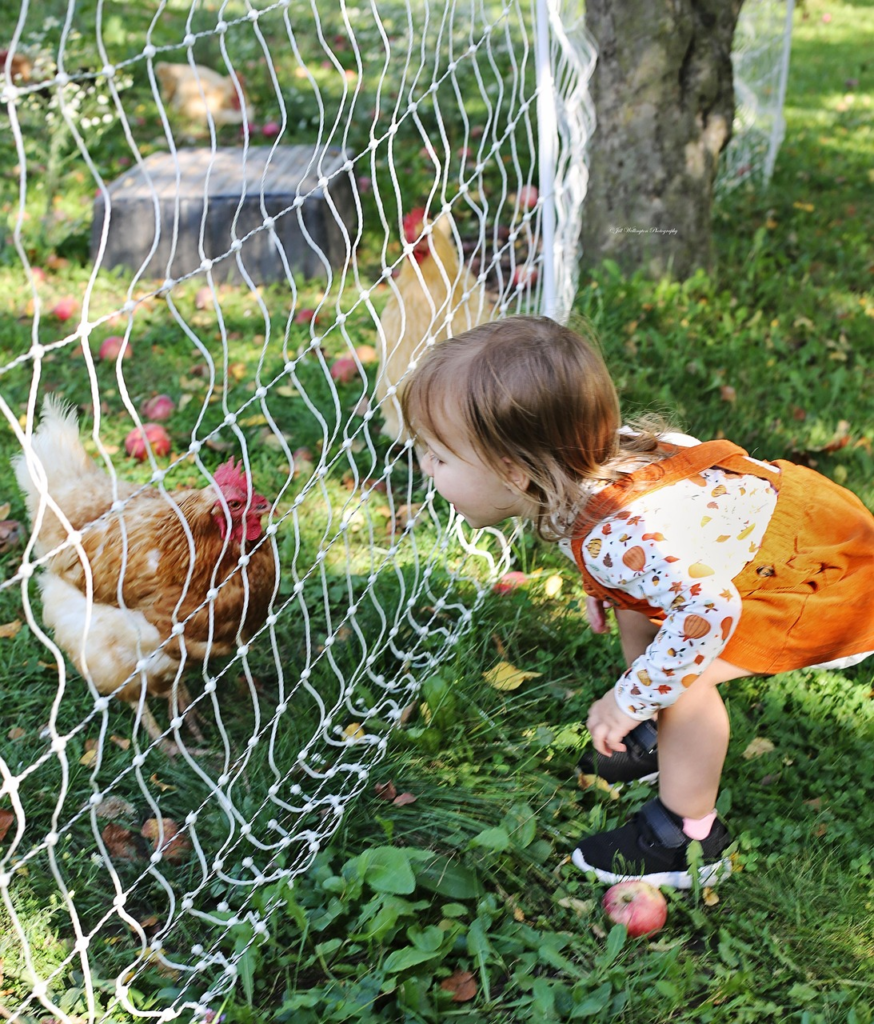
Because we have a small farm, feeding the animals each day gives me that steady rhythm when everything inside feels loud. On paper, it’s just another chore. However, I genuinely look forward to it.
Stepping outside creates space. No one asking questions. No one needing something immediately. Instead, there’s movement, air, and routine.
Sometimes, I bring something small with me. I keep an essential oil roller tucked into my pocket or close by. I’ve truly used one of these for a while now, and when I feel that tightness rising in my chest or my patience thinning, I pause and roll a little onto my wrists before taking one slow breath.
The oil doesn’t magically fix anything.
Rather, the ritual interrupts the reaction.
That small pause signals safety to my body. As a result, I’m able to respond more intentionally instead of reacting automatically.
Between the fresh air, the steady rhythm of feeding animals, and that grounding habit, my nervous system begins to settle.
And most days, when I walk back inside, I’m met with little feet running toward me and smiling faces yelling, “Mom! Mom! Mom!” with their arms wide open.
Even though I was only gone a short time, their joy grounds me again.
I’m steadier than when I left.
Not perfectly calm.
But regulated enough to choose my response.
If you’re curious, this is the Calm blend I personally keep on hand. It’s simple, easy to carry, and fits into everyday life without feeling like one more complicated thing to manage.
Maybe your reset isn’t feeding animals.
Perhaps it’s watering plants.
Walking to the mailbox.
Standing on the porch for sixty seconds of fresh air.
Regulation often hides in ordinary moments.
5 Simple Ways to Regulate Before You React
If stepping outside isn’t an option, here are small shifts that help in the moment:
1. Lower your voice intentionally.
When your tone softens, your nervous system follows.
2. Exhale longer than you inhale.
Try inhaling for four and exhaling for six.
3. Feel your feet on the floor.
Grounding your body interrupts fight-or-flight.
4. Name what’s happening.
“This is overstimulation.” Naming reduces intensity.
5. Repair when needed.
If you snap, you can say, “I’m sorry. I was overwhelmed.” Repair builds safety.
Regulation Matters More Than Calm
Children borrow our nervous systems.
If you can pause, recover, and repair, you are modeling emotional safety.
Not through perfection.
Through presence.
You don’t need to be calm all the time.
You’re allowed to feel frustrated.
You’re allowed to need space.
You’re allowed to have limits.
Regulated doesn’t mean emotionless.
It means aware.
And awareness is where change begins.
Regulation doesn’t have to be dramatic.
It simply has to be intentional.
Every time you choose regulation over reaction — even imperfectly — you’re building safety in your home.
Not through constant calm.
But through steady presence.
One steady day at a time,
Jen