
Surviving Double Tantrums: A Real-Life Guide for Twin Parents
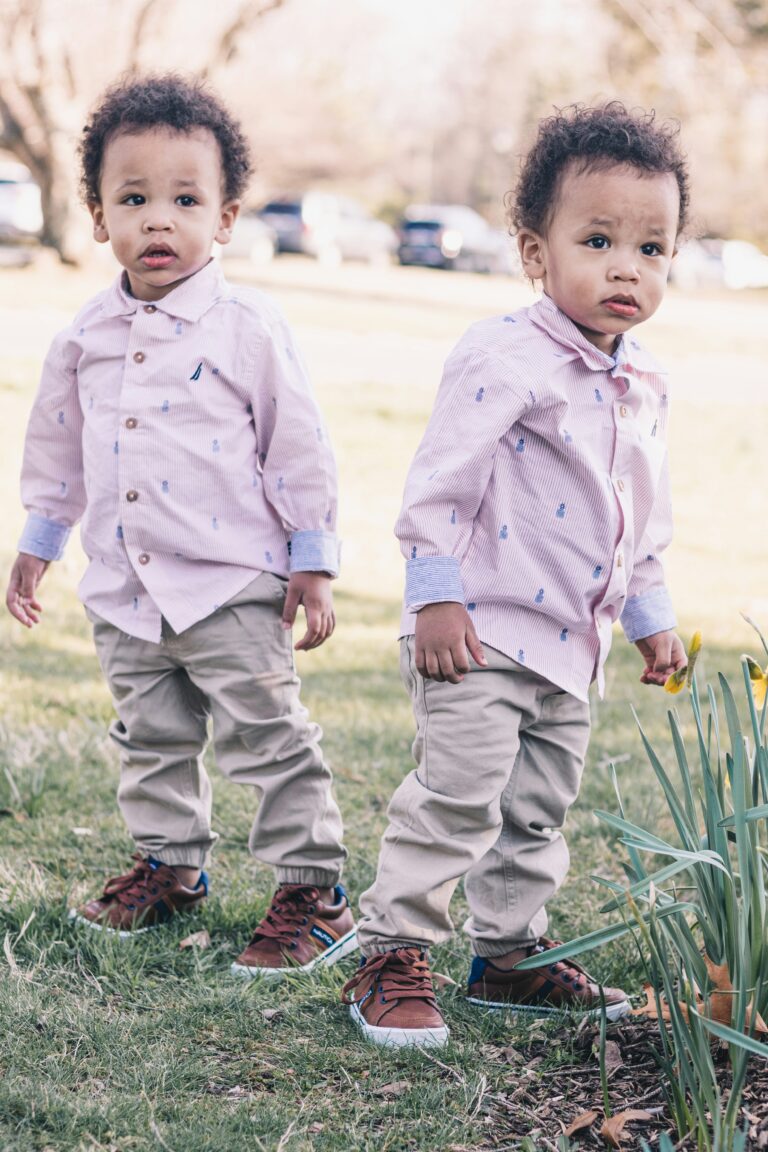
When Toddler Twins Are Fighting Constantly
When Both Need You at Once… There’s a Plan.
A calm, practical guide for parenting toddler twins without losing yourself in the chaos.
If you’re raising toddler twins, you already know — the hard moments come fast and they come loud.
The Toddler Twin Survival Map gives you clear scripts, regulation tools, and real-life strategies for the moments when both need you at the same time.
No guilt. No perfection. Just grounded support for staying calm and connected.
This is the part twin moms search late at night:
“Why are my toddler twins fighting constantly?”
“Why do my twins have tantrums all day?”
“How do I stop my twins from fighting?”
Because when double tantrums feel nonstop, it stops feeling like a phase.
It feels like your entire day is spent:
Breaking up fights.
Preventing fights.
Soothing one child while the other escalates.
Managing the next meltdown before you’ve recovered from the last one.
And when it happens over and over, the question becomes personal:
Why can’t I get this under control?
Here’s what’s actually happening.
When toddler twins are fighting all the time, you’re watching two underdeveloped regulatory systems collide in the same space at the same stage of development.
Toddlers operate primarily from the emotional center of the brain (the amygdala). The part responsible for impulse control, flexibility, and sharing (the prefrontal cortex) is still developing.
Now add the twin dynamic:
Shared resources
Shared attention
Immediate comparison
Emotional contagion (one meltdown activates the other)
When one twin dysregulates, the other often follows. Not because they’re copying. Because their nervous systems are highly responsive to each other.
That’s why it can feel constant.
Not because you’re ineffective.
But because the environment is intense.
Can You Actually Stop Twins From Fighting?
If you’re searching “how to stop twins from fighting,” here’s the honest answer:
You’re not going to eliminate conflict in the toddler years.
You can reduce frequency.
You can lower intensity.
You can build skills.
But you are not going to remove developmental friction entirely.
This is a season of brain growth — times two.
The goal isn’t perfection.
It’s regulation over repetition.
How to Reduce Twin Tantrums and Constant Fighting
These aren’t magic fixes. They’re structural adjustments that reduce daily friction.
1. Remove Predictable Triggers
If your twins are fighting constantly, look for patterns.
Does it spike:
Before meals?
During transitions?
Around specific toys?
Duplicate high-conflict items when possible.
Pre-portion snacks before they compare.
Create consistent seating spots.
You’re not giving in.
You’re reducing unnecessary competition in a shared environment.
2. Increase Predictability
Twin tantrums increase when the day feels chaotic.
Use rhythm:
Consistent wake and snack windows.
The same language during conflict.
Clear turn-taking systems.
A simple visual timer can make turn-taking more concrete for toddlers. We use one during high-conflict moments like toy sharing or screen transitions.
Predictability lowers anxiety.
Lower anxiety lowers fighting.
3. Separate to De-Escalate
If toddler twins are fighting all the time, proximity may be fueling escalation.
Calm, neutral separation works:
“I’m going to help your body calm down over here.”
Short distance reduces stimulation without shaming either child.
4. Play Defense, Not Just Offense
If it feels constant, start anticipating instead of only reacting.
Ask:
When does escalation usually happen?
Which twin struggles more with waiting?
What time of day is hardest?
Then adjust the environment before the explosion.
Prevention lowers overall volume.
5. Protect Your Own Nervous System
This may be the most overlooked strategy.
When you’re breaking up fights all day, your stress response stays activated. Over time, your threshold drops.
Lower your own overstimulation by:
Reducing background noise.
Limiting high-stimulation outings during peak conflict phases.
Taking 60 seconds alone when safe.
Building one small quiet reset into your day.
Co-regulation requires regulation.
There’s a kind of loneliness in raising twins that doesn’t get talked about — especially when the fighting feels constant. I’ve written more about the loneliness of raising twins here.
When You Need Support — In the Moment or for the Season
If you’re just trying to steady yourself in the middle of double meltdowns, the Twin Survival Toolkit was created for that exact moment.
It’s a 7-page printable with simple calming scripts, reset routines, and a quick survival guide you can reach for when both need you at once.
👉 Get the Twin Survival Toolkit here
If you’re wanting a deeper framework for navigating the twin years — beyond just surviving the meltdowns — I wrote The Toddler Twin Survival Map as a guide for the bigger picture of this season.
The Season Mindset
When double tantrums feel constant, what you want is relief.
What you need is perspective.
You are not going to completely stop toddler twin conflict.
You are going to outgrow it.
As language develops.
As impulse control strengthens.
As identity separates.
As the brain matures.
Your job in this season isn’t eliminating every meltdown.
It’s staying consistent long enough for development to catch up.
That repetition — calm voice, clear boundaries, repair after rupture — is what slowly shifts the dynamic.
It may still feel loud.
But it won’t feel endless.
If you’re struggling to stay calm during meltdowns, I wrote more about emotional regulation during tantrums here.
If you’re in the thick of this season and need something practical to hold onto, I created a simple survival guide for when both need you at once. — The Toddler Twin Survival Map.
I’m glad you found your way here.
This season isn’t easy — but you’re not alone in it.
One steady day at a time
Jen