Disclaimer: This article is for educational purposes only and should not replace professional medical advice. If you believe your child may have a serious injury or medical emergency, contact your healthcare provider or seek emergency medical care immediately.
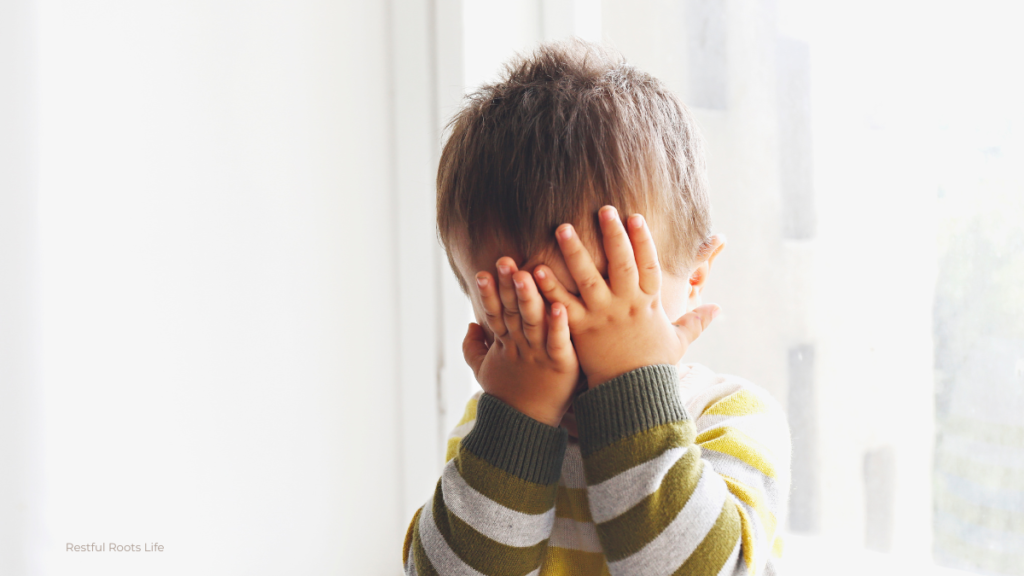
If you believe your child may have a serious injury or medical emergency, contact your healthcare provider or seek emergency medical care immediately.If you’ve ever heard the sound of your toddler hitting their head, you know the feeling.
Your heart drops instantly.
Your body floods with adrenaline.
And suddenly your mind is racing through every worst-case scenario imaginable.
I know this feeling well.
Toddlers fall constantly. They trip, climb, slip, jump off things they absolutely should not jump off of, and somehow manage to bump their heads when you look away for two seconds.
And while some bumps are minor, the emotional impact on parents can feel huge.
Especially when you’re already overstimulated, exhausted, or carrying the invisible mental load of parenting.
Over time, I realized the hardest part often wasn’t just the fall itself.
It was managing my own panic afterward.
This post is not medical advice or a replacement for your pediatrician.
It’s simply the calm process that has helped me respond more clearly during scary parenting moments.
The First Thing I Do After a Toddler Fall
The first thing I try to do is pause before spiraling.
Not because the moment isn’t serious.
But because panic makes it harder to think clearly.
When my toddler falls or bumps their head, I focus on three immediate things first:
- Are they responsive?
- Are they acting like themselves?
- Do they seem alert and aware of what’s happening?
Then I comfort first.
Sometimes they’re more scared than injured.
Sometimes I am too.
I’ve learned that staying physically calm helps regulate the situation faster for both of us.
Not perfectly calm.
Just grounded enough to think clearly.
Why Toddler Falls Feel So Emotionally Overwhelming
I think many parents underestimate how stressful these moments actually are.
After a fall, your brain immediately starts replaying everything.
You wonder:
- Should I have prevented it?
- Did I miss something serious?
- Am I overreacting?
- Am I underreacting?
And when you already spend your day managing noise, mess, interruptions, and constant responsibility, one sudden accident can completely overload your nervous system.
I’ve noticed the same thing during toddler meltdowns, too. When our own nervous systems are already stretched thin, it’s much harder to respond the way we want to in stressful moments. If staying calm during big emotions is something you’re working on, you might also find my guide on how to handle toddler tantrums without yelling helpful.
That’s one reason simple systems matter so much in parenting.
In our post on creating calmer routines at home, I talk about how reducing everyday chaos helps you respond more clearly during stressful moments instead of feeling instantly overwhelmed. Read more here:
“How to Create a Calm Home With Toddlers.”
If your environment constantly feels overstimulating, even small emergencies can feel emotionally massive.
What I Personally Watch For After a Head Bump
Every situation is different, and when something feels concerning, I always trust my instincts and contact our pediatrician.
But after smaller bumps or falls, these are the things I personally pay close attention to afterward:
- unusual sleepiness
- vomiting
- confusion
- trouble walking or balancing
- behavior that feels very different from normal
- complaints of worsening pain
- difficulty waking up
- anything that simply feels “off”
Sometimes I even write down the time of the fall and make quick notes afterward because stress can make it hard to remember details later.
That simple habit has helped me feel calmer and more organized during stressful moments.
What Helped Me Stop Spiraling After Every Fall
This took time.
I used to replay every accident for hours afterward.
Even after my child seemed completely fine, my body stayed tense.
I stayed hyper-alert.
I kept checking on them constantly.
Eventually I realized something important:
Toddlers are learning how to move through the world.
Falling is part of that learning.
That doesn’t mean we ignore injuries.
It just means not every bump means catastrophe.
What helped me most was creating a calmer response plan ahead of time instead of trying to think clearly in panic mode.
I’ve learned that staying calm in parenting rarely happens by accident. It’s a skill we build through practice, long before the hard moments arrive. If responding more intentionally instead of reacting from overwhelm is something you’re working toward, I created Calm Boundaries, Connected Kids, a printable guide filled with scripts, reflection prompts, and practical tools to help you stay grounded while parenting through big emotions and stressful moments.
Simple things now help me tremendously:
- keeping emergency numbers easy to access
- having ice packs ready
- writing symptoms down instead of mentally spiraling
- knowing when I personally plan to call the pediatrician
- focusing on observation instead of panic
The more prepared I feel, the calmer I respond.
The Home Systems That Actually Help During Stressful Parenting Moments
One thing I didn’t expect was how much my environment affected my ability to handle emergencies calmly.
When my house already feels chaotic, loud, and overstimulating, stressful moments hit much harder emotionally.
That’s why simple systems have become so important for our family.
Our toy rotation system, reset baskets, and nightly “close the day” reset have honestly helped reduce my overall mental overload significantly.
If you want practical ideas that reduce daily chaos before stressful moments even happen, you can read:
“5 Calm Home Systems That Reduce Daily Chaos Even With Toddlers at Home.”
Having less visual chaos around me helps me think more clearly when something unexpected happens.
A Simple Toddler Emergency Checklist That Helps Me Stay Calm
Over time, I started keeping a very basic emergency checklist nearby so I’m not relying on panic-brain memory during stressful moments.
Things I keep together:
- pediatrician phone number
- urgent care information
- children’s medications
- thermometer
- instant ice packs
- insurance information
- symptom notes page
- emergency contacts
Nothing fancy.
Just simple organization that reduces stress when emotions are high.
Final Thoughts
Toddler falls are scary.
Even when everything turns out fine, those moments can stay with you emotionally for a while.
If you’ve ever panicked after hearing that sudden thud from the other room, you are absolutely not alone.
You are not failing because these moments overwhelm you.
You’re a parent trying to protect someone you love deeply.
The goal isn’t perfect calm.
The goal is responding with enough steadiness to help both you and your child through the moment.
Medical Disclaimer: Every child and every injury is different. This article is not intended to diagnose, treat, or replace professional medical advice. Always consult your child’s healthcare provider with questions about injuries, and seek emergency care if you believe your child may be experiencing a medical emergency.
One steady day at a time
Jen